
5 Ways to Use Inner Dispatch You Might Not Have Tried
Beyond the daily check-in: five unexpected ways to get more out of your Inner Dispatch recordings — from emotional pattern tracking to pre-decision voice notes.
Beyond the daily check-in: five unexpected ways to get more out of your Inner Dispatch recordings — from emotional pattern tracking to pre-decision voice notes.

Learn how Inner Dispatch's 10-second design makes voice journaling the easiest daily habit to build — even if you've failed at journaling before.
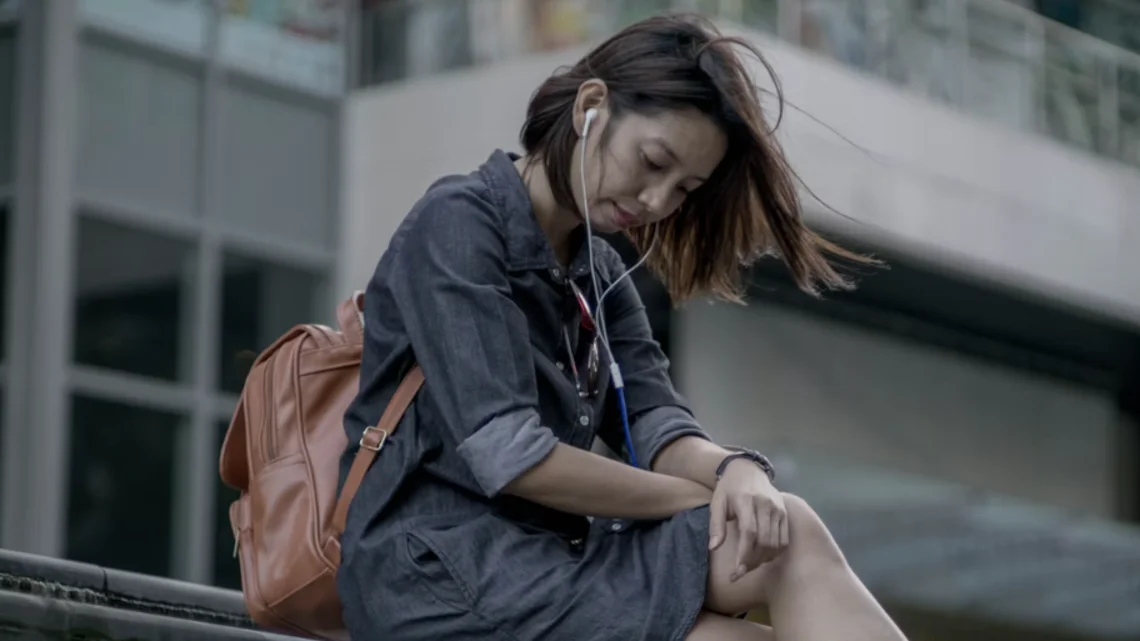
Everyone talks about the recording. Nobody talks about the listening. Here's what actually happens when you hear your own voice from six months ago — and why it changes things in ways that writing can't replicate.

I started voice journaling to document the past. Then I started speaking my goals out loud — and something shifted about how real they felt, and how likely I was to move toward them.

Ten seconds sounds too small to matter. I thought so too. Here's what actually happens when you commit to the smallest possible version of a daily practice — and keep it for over a year.

I didn't start voice journaling to improve my self-talk. But somewhere in the second year, I noticed the voice in my head had gotten kinder. Here's what I think happened.

Four notebooks. Four attempts. Four quiet abandonments. If you've tried journaling and couldn't make it stick, this is the honest account of what was actually going wrong — and what changed.

I failed at written journaling more times than I can count. Here's how switching to voice journaling finally made it stick — and what I wish I'd known sooner.

Not the highlight reel — the real thing. Gaps, awkward recordings, and all. Here's an honest account of what six months of voice journaling looks like for a working parent.
Audio diary or video diary — both preserve memory, but in fundamentally different ways. Here's an honest comparison of what each captures, what each misses, and which fits real life.
The best journal app for busy people isn't the one with the most features. It's the one that fits into a life that doesn't have time for friction. Here's what actually works.
The best voice journaling apps compared for 2025-2026 — from dedicated audio diary tools to transcription powerhouses. Find the right fit for your practice and budget.

Journaling doesn't have to mean filling pages with text. Here are creative approaches that capture your inner life through drawing, audio, photography, collage, and more.
You don't need to pay to start voice journaling — but paid apps offer features that genuinely matter for some users. Here's an honest comparison to help you choose.

Photos show how things looked. Audio recordings capture something harder to name — and often more valuable. Here's what sound preserves that images can't.

Your voice journal entries are irreplaceable. Here's how to store, organize, and protect them so they're still accessible in ten, twenty, or thirty years.

A personal time archive captures the texture of your life as it happens—here's how to build one in five minutes a day using voice, text, or both.

Learn how to create a voice time capsule — a personal audio archive of your life that captures who you are right now, in a way photos and text never quite can.
Your journal only works if you feel safe being honest in it. A practical guide to protecting physical journals, digital apps, and voice recordings — so you can write without holding back.

Listening to your own voice recordings can feel unbearable. Here's why that happens and how to actually get the value from old voice journal entries.

Learn how to build a voice journaling habit that actually lasts. Practical strategies rooted in habit science to make daily reflection feel automatic.
You've recorded. Now what? Here's how to organize months or years of voice recordings into an archive you can actually navigate and return to.

A practical guide to capturing the stories, memories, and voices of the people you love — before time makes it impossible. No equipment or expertise required.

You don't need to be a writer to keep a journal. Here's how to start a journaling practice that works for people who don't think in written sentences.

Learn how to start voice journaling today — no special apps, no setup, no experience needed. A practical step-by-step guide for complete beginners.
Automatic transcription turns your voice journal into searchable, shareable text. Here's how to do it — the tools, the process, and what to do with the results.

Learn how to use voice journaling for self-reflection that actually deepens self-knowledge. Practical techniques, prompts, and approaches that go beyond venting.
Voice journaling is one of the most effective tools for working through difficult emotions. Here's how to use it — and why speaking works when writing or thinking don't.

Voice journaling together creates a different kind of intimacy than most couples experience. Here's how to do it, what it reveals, and how to navigate what comes up.
Staring at the record button with nothing to say? These practical techniques get you talking — even on the emptiest, most unremarkable days.
Your commute is already happening. Here's how to turn it into a daily voice journaling practice — whether you drive, take transit, or walk.

Overthinking is the enemy of a voice journaling practice. Here's how to keep it simple, start without pressure, and actually enjoy the process.
You don't have to love writing to benefit from journaling. Here's how non-writers can build a reflection practice that actually fits — no blank pages, no prose required.
Morning or night — when is the best time to voice journal? Compare both approaches with research-backed guidance to find what works for your life.
A practical guide to storing personal audio recordings so they survive decades — the right formats, backup strategies, and common mistakes to avoid.
Talking to yourself isn't a sign of eccentricity—the research on self-talk reveals it's one of the most powerful tools for thinking, emotional regulation, and self-knowledge.
Everything you need to know about voice journaling: what it is, why it works, and how to start an audio journal practice that actually sticks.
Venting feels like processing but often isn't. Voice journaling looks similar from the outside but does something fundamentally different. Here's the distinction that matters.
The easiest journal to start isn't the one with the prettiest cover. It's the one that removes every barrier between you and actually doing it. Here's what that looks like.
Why does speaking something aloud feel so different from writing it? Explore the psychology of why voicing emotions carries a weight that written words rarely do.
What does research actually say about voice journaling and mental health? Explore the psychology, neuroscience, and evidence behind speaking your thoughts aloud.
Can speaking your thoughts out loud actually reduce anxiety? Here's what the research says about voice journaling for anxiety — and how to use it effectively.

If you hate the sound of your own voice, you're not alone — and you're not disqualified from voice journaling. Here's what's actually happening and how to get past it.

50+ voice journaling prompts organized by mood — from anxious to grateful, stuck to overwhelmed. Find the right prompt for how you actually feel right now.

Voice journaling vs. written journaling — an honest comparison of both methods across friction, emotional depth, reviewability, and consistency to help you find the format that actually fits.
Discover the neuroscience behind voice recordings as memory anchors—why your own voice captures and preserves experiences better than text or photos.

A year of daily voice journaling produces changes you don't expect — in self-awareness, memory, emotional regulation, and how you understand your own life. Here's what actually happens.

Discover what voice journaling is, how it works, and why speaking your thoughts beats writing them. A complete beginner's guide to starting an audio diary.

Most voice journal entries are good enough. But some are genuinely useful. Here's what distinguishes the entries that produce insight from the ones that don't.
Your written words are edited. Your voice isn't. Explore what spoken reflection captures about you that writing quietly erases — and why it matters.
Voice journaling reveals what writing hides. Discover the surprising psychology behind why your spoken words capture more truth than anything you put on paper.

Voice journaling feels awkward at first for almost everyone. Here's why that happens, what's actually going on, and how most people move through it quickly.