
Keystone Habits: The One Change That Changes Everything
You’ve probably experienced this: you commit to going to the gym three times a week, and somehow — almost mysteriously — you start eating better. You weren’t trying to overhaul your diet. You didn’t set a goal around food. But something shifted anyway.
Or maybe the opposite happened. You landed a stressful project at work, your sleep started slipping, and within a few weeks you’d also stopped exercising, your inbox was overflowing, and you were eating takeout every night. One thing unraveled, and everything unraveled with it.
Neither of these is a coincidence. They’re examples of what researchers and habit experts call keystone habits — singular behaviors that have an outsized, cascading effect on the rest of your life. Understanding how keystone habits work doesn’t just explain these patterns. It gives you a smarter, more efficient entry point for building the life you actually want.
This essay explores what keystone habits are, why they work the way they do, and how to identify the one change that might change everything for you.
What Keystone Habits Actually Are
The concept of keystone habits was popularized by journalist and author Charles Duhigg in his 2012 book The Power of Habit. Duhigg used the term to describe habits that don’t exist in isolation — they trigger ripple effects that extend far beyond the behavior itself.
The name comes from architecture. A keystone is the central, wedge-shaped stone at the top of an arch. Remove it, and the whole structure collapses. Keep it in place, and everything else holds. In the context of behavior, a keystone habit is the one that holds the arch of your day together.
What makes a habit a “keystone” isn’t necessarily its difficulty or even its direct health benefits. It’s the secondary effects — the way it reorganizes other parts of your routine, your identity, and your self-perception. Regular exercise, for instance, is one of the most commonly cited keystone habits not primarily because of its cardiovascular benefits, but because it tends to make people eat better, sleep more consistently, work more productively, and feel more emotionally regulated. The gym becomes a linchpin.
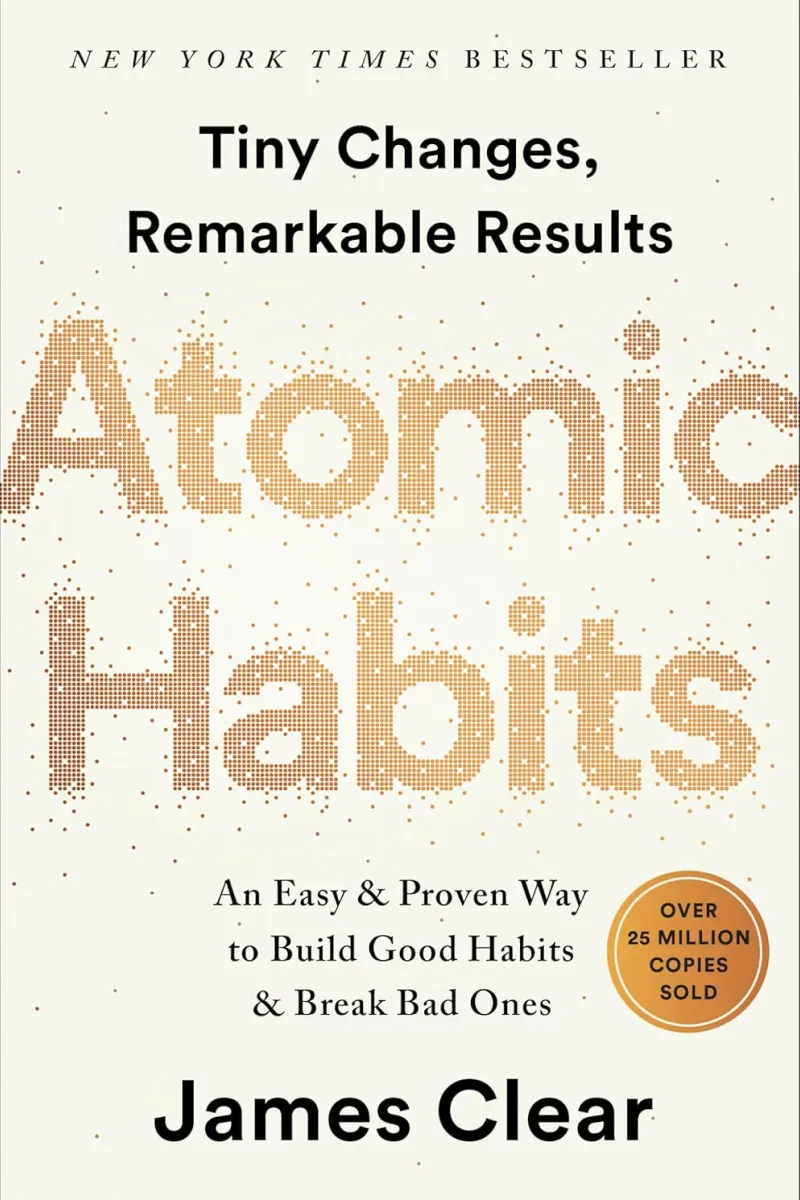
James Clear, author of Atomic Habits, frames this through the lens of identity. When you start exercising regularly, you begin to see yourself as someone who takes care of their body. That identity shift subtly influences dozens of subsequent decisions — whether to have a second drink, whether to stay up late, whether to take the stairs. The habit changes who you believe you are, and your behavior follows.
The Difference Between Good Habits and Keystone Habits
Not all good habits are keystone habits. Flossing daily is a good habit. It’s probably not going to revolutionize your diet or your relationships. Drinking more water is good for you. It’s unlikely to reorganize your entire weekly schedule.
Keystone habits tend to share a few qualities:
They require some degree of consistent effort — enough that maintaining them signals something meaningful about your priorities. They create small wins that build confidence. They often involve the body or time in ways that make other things easier or harder by necessity. And they tend to conflict with or reinforce other habits in your life in obvious ways.
Sleep is a good example. Poor sleep doesn’t just make you tired. It impairs decision-making, increases cravings for high-calorie food, reduces motivation to exercise, and makes it harder to regulate your emotions in relationships. Improving sleep quality doesn’t just make you less tired — it restructures everything downstream.
Why This Concept Matters Now
We live in an era of relentless self-optimization advice. There are entire industries built around helping people build better habits, from fitness apps to productivity systems to meditation courses. Most of this advice is additive: add this habit, add that habit, track more things.
The keystone habit framework is different because it’s selective. It says: before you pile on ten new behaviors, ask which single change would make the most others follow naturally. That’s not laziness. It’s systems thinking applied to personal behavior.
Why Conventional Habit Advice Often Fails
There’s a reason most people’s New Year’s resolutions collapse by mid-February. It’s not lack of willpower. It’s architecture.
The Problem with Adding Too Much at Once
The standard approach to personal change usually looks something like this: identify five or six areas of your life you want to improve, create a plan for each one, and start all of them simultaneously. Exercise more, eat better, meditate, journal, read more books, spend less time on your phone.
Each of these is a reasonable goal. Together, they create a system that’s nearly impossible to maintain. Every new habit competes for the same finite resources: attention, time, energy, and decision-making bandwidth. When life gets busy — which it always does — the system collapses under its own weight.
Research on habit formation consistently shows that willpower is depleted by use. Every decision you make across the day draws from the same pool of mental resources. Adding five new habits means five more daily decisions about whether to follow through. That’s a structural problem, not a motivation problem.
The Motivation Misconception
Another common failure is treating motivation as a prerequisite for behavior. “I’ll start exercising when I feel more motivated.” “I’ll meditate when things calm down a bit.” This gets causality exactly backwards.
Research consistently shows that motivation tends to follow action, not precede it. You don’t wait until you feel like going to the gym; you go to the gym, and the feeling follows. The keystone habit framework exploits this: by choosing one high-leverage behavior and making it automatic, you generate the motivation and energy that makes other changes possible.
Scattered Effort, Scattered Results
When people try to change everything at once, they often end up changing nothing durably. The effort is spread too thin to build the consistent repetition that transforms behavior into identity. You exercise twice a week for three weeks, then miss a few days and give up. You journal sporadically for a month, then abandon it.
Keystone habits work differently because they concentrate effort. When you pick one thing and do it consistently enough to feel the downstream effects, you build real momentum — the kind that makes the next change easier, not harder.
What Research Actually Says About Habit Cascades
The evidence for keystone habits isn’t just anecdotal. There’s a growing body of research on how behavioral change spreads through a person’s life in ways that look surprisingly systematic.
The Exercise Effect
Exercise is the most well-documented keystone habit. Studies have found that people who begin regular exercise programs report improvements in diet, sleep quality, and productivity even when they weren’t specifically trying to change those things. The mechanism isn’t mysterious: exercise regulates cortisol and sleep hormones, reduces impulsive decision-making tendencies, and creates a sense of physical agency that transfers to other domains.
A study published in the British Journal of Health Psychology found that participants who established a regular exercise habit also reported significant reductions in smoking, alcohol consumption, and caffeine use — despite these not being treatment targets. The exercise habit seemed to function as an anchor for broader behavioral reorganization.
Sleep as a Keystone Habit
Sleep research offers another compelling example. Poor sleep is associated with impaired glucose regulation (leading to increased sugar cravings), reduced prefrontal cortex activity (impairing decision-making), and elevated cortisol (increasing stress and emotional reactivity). Improving sleep quality doesn’t just feel better — it makes nearly every other health-related behavior easier.
Matthew Walker, neuroscientist and author of Why We Sleep, describes sleep as the “master regulator” of essentially every physiological system. In behavioral terms, this makes sleep improvements one of the highest-leverage keystone changes a person can make. When you sleep better, eating well becomes easier. Exercise feels more achievable. You’re less reactive in relationships. Focus at work improves.
Journaling and Self-Reflection
Daily reflection practices — journaling, voice journaling, or simple check-ins — have also been identified as keystone habits for many people. The mechanism here is metacognitive: by regularly observing your own patterns of thought and behavior, you become less reactive and more intentional. Decisions that would otherwise happen on autopilot become visible and therefore changeable.
Psychologist James Pennebaker’s research on expressive writing found broad benefits beyond emotional processing — people who journaled about their experiences showed improved immune function, reduced doctor visits, and better performance on cognitive tasks. The reflective habit appeared to restructure how they processed stress and made decisions.
How to Identify Your Personal Keystone Habit
The research identifies common keystone habits, but the most powerful one is the one that fits your specific life. Finding yours requires a bit of honest self-examination.
1. Look for the Behavior That Makes Everything Else Easier
Think about the times in your life when you felt most like yourself — most productive, most emotionally regulated, most aligned with your values. What were you doing consistently during those periods that you’re not doing now?
For many people, this question points immediately to sleep or exercise. For others, it’s a morning routine, a regular creative practice, or a consistent end-of-day reflection. The question isn’t what you should be doing according to productivity advice. It’s what, in your own experience, seems to unlock everything else.
Conversely, think about when things have most notably fallen apart. What was the first domino? What habit, when it slipped, seemed to pull everything else down with it? That behavior — the one whose absence causes the widest damage — is often your keystone.
2. Test for Downstream Effects
Not all candidates will be obvious. If you’re unsure, try running a short experiment: commit to a single behavior for three weeks and actively observe what changes beyond that behavior.
Choose something that requires daily effort but isn’t overwhelming — a ten-minute morning walk, a brief evening journaling session, a consistent bedtime, five minutes of meditation. Keep a simple record of how other areas of your life feel during those weeks. Sleep quality, eating habits, mood, productivity, relationships. Look for patterns.
You’re not trying to force change in those other areas. You’re watching to see if the keystone behavior creates change on its own.
3. Consider Your Specific Leverage Points
Different people have different leverage points based on their psychology, their current struggles, and their existing habits. A few common patterns:
If you struggle with emotional regulation: A daily reflection practice — journaling, voice journaling, or even a short evening meditation — tends to be a high-leverage keystone. The habit of observing your own mental state makes reactive behavior less automatic.
If you struggle with energy and motivation: Sleep and exercise are the obvious candidates. But for people who find exercise difficult to sustain, starting with sleep improvement (a consistent bedtime, reduced screen time before bed) sometimes makes exercise feel genuinely achievable for the first time.
If you struggle with productivity and focus: Many people find that a structured morning routine functions as a keystone. It doesn’t have to be elaborate — even ten minutes of intention-setting before the day begins can change how the entire day unfolds.
If you struggle with feeling overwhelmed: A simple daily planning practice — five minutes each morning to identify one or two priorities — can function as a keystone by reducing the cognitive load of constant decision-making throughout the day.
4. Start Smaller Than You Think You Should
One of the most consistent findings in habit research is that people dramatically overestimate how much effort a new habit requires and underestimate how consistency compounds over time. James Clear’s “two-minute rule” captures this: scale any new habit down to something you can do in two minutes, and start there.
The goal at first isn’t transformation. It’s showing up. A keystone habit only works if it becomes genuinely automatic — something you do without deliberation. That automaticity comes from repetition, and repetition requires making the starting threshold low enough that you actually do it.
You can always scale up. You cannot build a habit you never consistently start.
Putting It Into Practice: The First 30 Days
Identifying a potential keystone habit is the easy part. Establishing it is where most people struggle. Here’s a practical framework for the first month.
Week 1–2: Establish the Anchor
Choose your keystone habit candidate. Make it specific and small. Not “exercise more” but “put on workout clothes and walk for ten minutes before breakfast.” Not “journal every day” but “open my journal app and record one voice note before I check my phone.”
The specificity matters because vague intentions rely on motivation. Specific behaviors can become automatic through repetition regardless of motivation.
Do this every day for two weeks. Miss as rarely as possible, but if you do miss, your only job is to return the next day without drama. The keystone habit literature consistently emphasizes that imperfect consistency beats occasional perfect performance.
Week 2–3: Notice the Downstream Effects
By the second week, start paying attention to changes you didn’t deliberately make. Are you reaching for better food? Feeling slightly more focused? Sleeping a bit more soundly? These are early signals that your keystone is starting to cascade.
Don’t try to capitalize on them yet by adding new habits. Just notice them. This observation phase is actually important for motivation: seeing evidence that one change is creating other changes reinforces the behavior at its root.
Week 3–4: Protect the Keystone Above All Else
By this point, the habit is becoming more automatic, but it’s not yet deeply rooted. This is when life typically intervenes — a busy week, travel, illness, a social commitment that disrupts your routine.
Treat the keystone habit as non-negotiable. Not because you’re inflexible, but because you understand its structural role. If the keystone slips, the arch may not collapse immediately, but the risk increases. Other habits become harder to maintain without the anchor.
If life disrupts the habit, your priority is to restore it — even in a reduced form — as quickly as possible. A two-minute version of your habit on a hard day is worth more than waiting for a perfect day to return.
Common Questions About Keystone Habits
What is a keystone habit, exactly?
A keystone habit is a single behavior that triggers positive changes in multiple other areas of your life, often without conscious effort. The term was coined by Charles Duhigg in The Power of Habit. Unlike isolated good habits, keystone habits create cascading effects — they reorganize how you use your time, how you see yourself, and how you make decisions throughout the day.
How is a keystone habit different from a regular habit?
Most habits affect only the behavior itself. Flossing makes you floss more. A keystone habit changes things beyond itself. Regular exercise doesn’t just improve fitness — it often improves sleep, diet, mood, and productivity as secondary effects. The distinguishing feature is scope: keystone habits have disproportionate influence on the broader system of your life.
How long does it take for a keystone habit to create cascading change?
Most people notice downstream effects within two to four weeks of consistently maintaining a keystone habit. Significant behavioral shifts in secondary areas typically become apparent after six to eight weeks. Research on habit formation suggests that automatic behavior solidifies somewhere between 18 and 254 days depending on the complexity of the habit and the individual — so patience is genuinely required.
Can you have more than one keystone habit?
Technically yes, but most habit researchers recommend identifying and solidifying one before adding another. The value of the keystone habit framework is precisely its focus: it counters the common tendency to add too many new behaviors at once. Once a keystone habit is genuinely automatic — requiring minimal willpower to maintain — it can support the addition of others.
Is exercise always the best keystone habit?
Exercise is one of the most well-documented keystone habits, and it’s often a good starting point. But it’s not universal. For someone dealing with significant sleep deprivation, improving sleep quality may be a more foundational keystone. For someone struggling with emotional overwhelm, a daily reflection practice might be more powerful. The best keystone habit is the one that addresses your specific leverage point.
What if I try a keystone habit and it doesn’t create cascading effects?
This is useful information. It means either the habit hasn’t become consistent enough to cascade (most common), or it may not be your keystone. Give any candidate at least three to four weeks of genuine consistency before evaluating its effects. If you’re truly consistent and see no downstream benefits, experiment with a different candidate.
How does voice journaling relate to keystone habits?
Daily voice journaling can function as a powerful keystone habit for many people — especially those who struggle with emotional regulation, self-awareness, or decision fatigue. Speaking your observations, intentions, and reflections at the start or end of each day creates a metacognitive anchor. It makes your patterns visible, which makes them changeable. Many people find that a consistent voice journaling practice naturally influences how they approach food, exercise, sleep, and relationships over time.
When Your Keystone Habit Slips
Even with the best intentions, keystone habits slip. A vacation disrupts the routine. An illness breaks the streak. A stressful period at work makes the habit feel impossible for a week or two.
Understanding what happens when a keystone slips — and why — makes recovery easier.
The chain reaction in reverse. Just as a keystone habit creates positive cascades, its absence can trigger negative ones. You stop exercising, your sleep gets worse, your diet slips, your mood drops. This isn’t weakness. It’s the same mechanism running in the opposite direction. Recognizing this can actually motivate faster recovery: restoring the keystone is the highest-leverage action you can take.
The identity erosion problem. One of the subtler costs of a lapsed keystone habit is the identity shift it triggers. When you stop doing the thing that makes you someone who takes care of themselves, that identity begins to fade. Decisions that the habit would have made easier become harder again. This is why returning quickly matters — not for the behavioral benefits alone, but to protect the sense of self the habit was reinforcing.
The minimum viable return. When returning to a lapsed keystone habit, most people try to resume at their previous level of effort. This often fails. The better approach is to return at a level so easy it can’t be refused — a five-minute walk, a single voice note, one early bedtime. Rebuild the consistency first. The intensity can follow.
The Bottom Line
The appeal of keystone habits isn’t that they make change easy. It’s that they make change efficient. Instead of trying to overhaul your life across five dimensions simultaneously, you identify the one behavior that has the most structural influence — and you build that.
The cascade follows. Not magically, and not always quickly, but reliably. When you exercise consistently, you start making better food choices without deciding to. When you sleep well, you find yourself more patient with your children and more focused at work. When you journal daily, you start noticing patterns in your behavior that you’d been acting out unconsciously for years.
You don’t need to fix everything. You need to find your keystone — the one change that, once in place, makes everything else more possible.
Start with that. The arch will hold.
This section contains affiliate links.
Go Deeper
You've been thinking about this long enough.
Ten seconds. Your voice. That's all it takes.
Inner Dispatch turns a single daily recording into something you can actually see - a living reflection of where you've been.
Start free. No writing required. →Related articles
How to Build a Daily Habit That Actually Sticks
A science-backed guide to building daily habits that last — covering the psychology of habit formation, why most habits fail, and the specific techniques that actually work.

Voice Journaling for Anxiety: Does It Actually Work?
Can speaking your thoughts out loud actually reduce anxiety? Here's what the research says about voice journaling for anxiety — and how to use it effectively.