
How to Make Voice Journaling a Daily Habit That Sticks
Most people who try voice journaling don’t quit because they dislike it. They quit because they forget. Or because one missed day becomes three, and three becomes “I’ll restart next Monday,” and next Monday never quite arrives.
The problem isn’t commitment. It’s architecture. A voice journaling habit that sticks isn’t built on motivation — it’s built on structure. The people who journal consistently for years aren’t more disciplined than the people who abandon the practice after two weeks. They’ve simply designed their environment and their routine in ways that make journaling the path of least resistance rather than something they have to remember and choose every single day.
This guide walks through how to do exactly that: how to build a voice journaling habit using the principles that behavioral scientists have identified as the actual drivers of lasting behavior change. Not inspiration. Architecture.
Why Voice Journaling Habits Fail (It’s Not What You Think)
Before building the right structure, it helps to understand why the typical approach fails — because most people make the same predictable mistakes.
The Motivation Mistake
The most common approach to starting a new journaling habit goes something like this: you feel inspired, you decide you’re going to journal every day, you do it with enthusiasm for a few days, something disrupts your streak, you feel bad about the disruption, you avoid restarting because restarting feels like admitting failure, and eventually the whole thing quietly dissolves.
This cycle is so consistent that behavioral researchers have a name for the underlying pattern: motivation-based habit formation. It works reliably in the short term and unreliably in the long term. Motivation is a feeling, and feelings fluctuate. The days when journaling feels most necessary — exhausting days, overwhelming days, days when everything went sideways — are precisely the days when motivation to do anything extra is lowest.
Lasting habits are not maintained by motivation. They’re maintained by systems that make the behavior easy and expected regardless of how you feel. This is not a pessimistic view of human nature — it’s a practical acknowledgment that willpower is a finite resource and good design is a renewable one.
The Complexity Mistake
The second common mistake is starting with an ambitious practice. A thirty-minute daily journaling session, structured with multiple prompts and a careful review of the previous entry, is not a habit — it’s a project. Projects require sustained effort and intentional scheduling. Habits are automatic.
The research on habit formation is consistent on this point: complexity is the enemy of consistency, especially in the early stages. The goal in the first month is not to create an elaborate practice — it’s to create a reliable behavior. A two-minute voice note done every day for sixty days is dramatically more habit-forming than a twenty-minute session done whenever motivation strikes.
The Missing Anchor Mistake
The third failure mode is the most structural: the habit has no home. “I’ll journal sometime during the day” is not a habit trigger. It’s an intention that competes with dozens of other intentions and usually loses to whichever one has the most immediate pressure attached to it.
Habits need specific triggers — a preceding behavior, a location, a time of day — that reliably cue them. Without a trigger, the habit depends on active recall, which is exactly what human memory is worst at. You don’t remember to do things that have no environmental prompt. You remember to brush your teeth because the bathroom and the toothbrush are the trigger. You forget to journal because there’s nothing in your environment prompting you to.
The Building Blocks of a Lasting Voice Journaling Habit
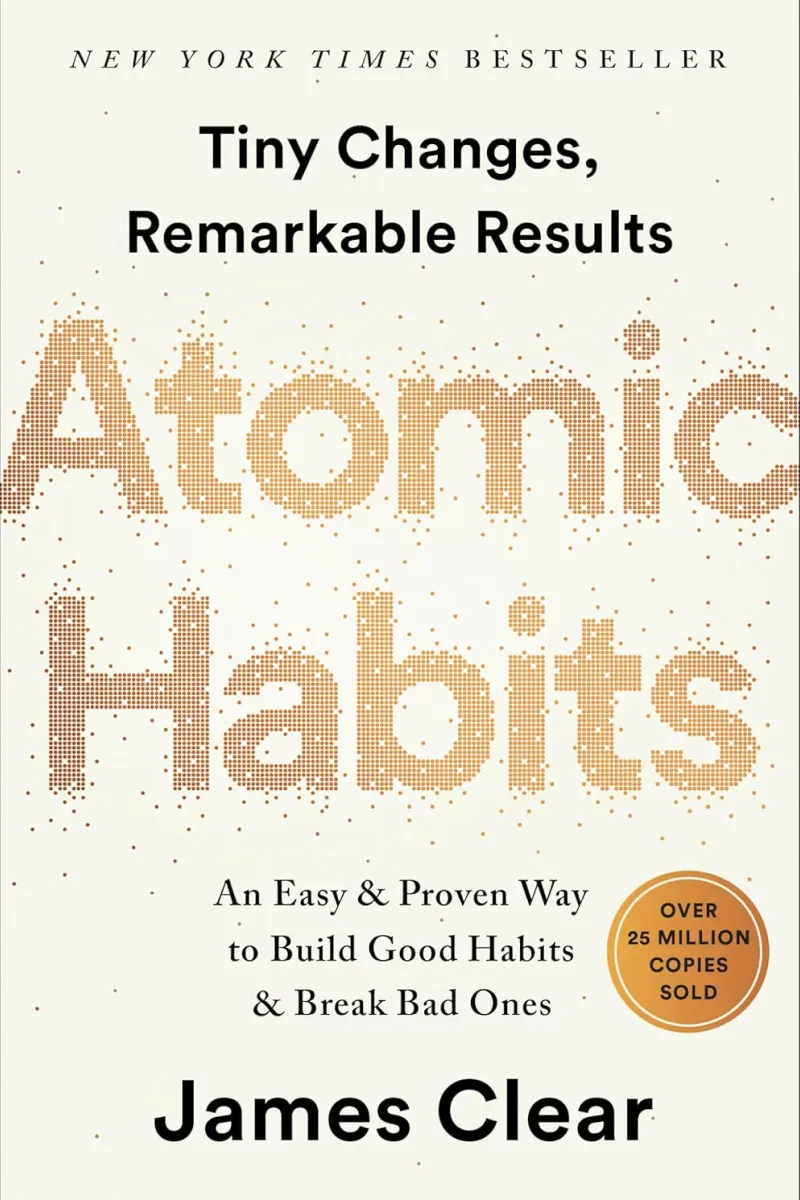
With those failure modes clear, here’s what actually works. The framework draws on habit research from BJ Fogg’s Tiny Habits methodology, James Clear’s implementation of habit loop theory, and the broader behavioral science literature on behavior change.
Building Block 1: Choose Your Anchor
The single most important structural decision you’ll make is choosing your anchor — the existing behavior that will reliably trigger your journaling session.
An anchor needs three qualities. First, it must be something you already do every day without exception. Second, it must be something with a natural completion point — a moment when one thing finishes and another can begin. Third, it must occur around the time of day that suits your journaling goals.
Common anchors that work well for voice journaling:
Morning anchors: Starting the coffee maker or kettle. Sitting down with your first drink of the day. The moment after you get dressed but before you look at your phone. The first few minutes of a morning commute.
Evening anchors: Plugging your phone in for the night. Changing out of work clothes. The first moment of sitting down after dinner. Brushing your teeth.
Commute anchors: Starting the car or putting in headphones on public transit. These are particularly powerful for voice journaling because you’re already alone and the commute itself is the container.
The formula is simple: After I [anchor behavior], I will voice journal for [time limit].
Write that sentence down. Make it specific. “After I start my coffee, I will voice journal for two minutes” is a real trigger. “In the morning” is not.
Building Block 2: Shrink the Habit to Its Minimum
Whatever time commitment you’re imagining for your voice journaling habit, cut it in half. Then cut it in half again.
The target for your first thirty days is not a rich, meaningful reflection session. The target is a reliable behavior. One to two minutes is plenty. Even thirty seconds — long enough to answer one prompt — counts. The goal is simply to keep the trigger-behavior link alive by executing it every day.
This feels counterintuitive because it seems too small to matter. But the research on tiny habits shows clearly that the minimum viable version of a behavior serves two critical functions: it’s achievable on your hardest days (which protects the streak), and it builds the neural pathways that make the behavior feel expected and automatic over time.
You’ll naturally want to say more on most days. That’s fine — go ahead. But the commitment is to the minimum. On exhausted nights and overwhelmed mornings, thirty seconds of speaking counts and protects the habit. Waiting until you have “enough time” for a meaningful session is how habits die.
Building Block 3: Reduce Friction to Near Zero
Friction is anything that adds steps between you and starting your recording. Every additional step — unlocking a separate app, finding your headphones, choosing which device to use, deciding on a prompt — adds resistance. And resistance, compounded across thirty days, is what separates habits that stick from habits that don’t.
Design your setup so that starting a recording takes five seconds or less:
Open your phone’s default voice memo app right now and leave it in your dock. The fewer steps between unlocking your phone and hitting record, the better. Or use a dedicated voice journaling app and make it your phone’s lock screen shortcut.
If you journal during a commute, set up your recording app before you start driving or get on transit — so the session is ready before the anchor completes.
If you use a prompt to get started, write it on a sticky note next to wherever you journal, or put it as your phone’s wallpaper. Choosing a prompt each session is friction. Having one already selected is not.
The environment design principle here is simple: make the right thing easy and everything else irrelevant. You’re not trying to make voice journaling more appealing — you’re making it require less decision-making.
Building Block 4: Define a Closing Ritual
Habits have a beginning and an end. The beginning is your anchor trigger. The end needs to be equally clear — a specific action that signals to your brain that the behavior is complete and the reward is available.
Without a clear close, journaling sessions tend to either expand indefinitely (consuming more time than intended) or end awkwardly mid-thought (leaving a sense of incompleteness that makes the next session feel like unfinished business).
A simple closing ritual: end every entry with the same phrase. “That’s today’s entry” or “okay, that’s it” works. It’s small, but it marks completion clearly and consistently. Over time, saying that phrase becomes a satisfying signal that the behavior is done — and that small satisfaction is the feedback loop that reinforces the habit.
Building Block 5: Make Missing Once a Rule, Not a Failure
Research on habit disruption consistently shows that the most important variable isn’t whether you miss a day — it’s what you do the day after. People who miss one day and return immediately maintain their habits at nearly the same rate as people who never miss. People who miss two consecutive days drop off significantly.
The “never miss twice” rule — coined by James Clear, drawing on the underlying research — is one of the most practical pieces of habit guidance available. It reframes the missed day not as a failure but as a normal event that requires only one response: showing up the next day, even briefly.
Build this rule into your practice explicitly. Before you start, decide: if I miss a day, I will do a minimum session the following day no matter what. Having this protocol decided in advance removes the decision-making load from the disrupted moment — when motivation is low and the temptation to let the lapse extend is high.
How to Start: A Four-Week Protocol
The following four-week structure is designed to build a lasting voice journaling habit systematically — starting smaller than feels necessary and expanding gradually as the behavior becomes established.
Week 1: Anchor and Minimum
Goal: Establish the trigger-behavior link without worrying about content quality.
Choose your anchor. Decide on your minimum (sixty seconds or two minutes). Set up your recording app. Write down your anchor formula.
For this week, your only job is to press record within two minutes of completing your anchor behavior, speak for at least sixty seconds, and close with your closing phrase. Content doesn’t matter. Rambling is fine. The behavior is the point.
At the end of each day, mark a small X on a piece of paper or calendar. You’re not building a streak — you’re building awareness of the pattern.
Week 2: Add One Prompt
Goal: Give the habit enough structure to generate meaningful content without adding complexity.
Choose one opening prompt and use it every session this week. A single, open-ended question works best. Options:
- “What’s on my mind right now?”
- “How am I actually feeling today?”
- “What’s the one thing that happened today that I’m still thinking about?”
Answer that prompt first. After you’ve answered it, continue if you have more to say. Two to three minutes is a natural target this week, but two minutes is still the minimum.
Week 3: Experiment with Length and Depth
Goal: Find the natural length that produces meaningful reflection without feeling burdensome.
This week, let sessions run as long as feels natural — stopping when you’ve genuinely said what you needed to say rather than at a fixed time. Notice where you naturally land. Most people settle into three to five minutes when the habit is established and the prompt gives them somewhere to go.
If you find yourself consistently doing less than two minutes and feeling done, your current prompt may not be generating enough traction. Try a more specific prompt: “What interaction from today am I still carrying?” or “What do I want tomorrow to feel like, and why?”
Week 4: Review and Adjust
Goal: Evaluate the habit’s current design and make one intentional adjustment.
Listen back to entries from the past three weeks. Not for the content specifically — for the pattern. Are they consistent? Are they getting longer or more specific? Do they feel like genuine reflection or going through the motions?
Based on what you notice, make one adjustment: add a second prompt, try a different time of day, experiment with shorter or longer sessions, or simply recommit to the current structure for another month. The point is not to achieve perfection in month one — it’s to build something sustainable and to have enough data to make your next decision from experience rather than prediction.
Common Obstacles and How to Handle Them
”I Keep Forgetting”
If you’re consistently forgetting to journal, the anchor isn’t strong enough. The most common cause is choosing an anchor that seems logical but isn’t actually reliable — “sometime in the morning” rather than a specific behavior that happens without fail.
Audit your anchor honestly. Does the preceding behavior actually happen every day, at roughly the same time, in a specific location? If not, choose a different one. If yes, add a physical reminder at the anchor location — a sticky note, a physical object out of place, your phone face-up with the app open — until the habit fires automatically.
A phone alarm labeled “voice journal — 60 seconds is enough” can bridge the gap in the early weeks, though the goal is to eventually not need the alarm. Set it to fire two minutes after your anchor usually completes.
”I Never Know What to Say”
Prompt dependency is normal and not a sign that you’re doing it wrong. Some people free-associate easily into voice recordings; others consistently need a starting question. Neither is better.
Keep a rotating list of five to seven prompts and cycle through them weekly. When you can’t think of anything, pick the one that feels most relevant to today and start. The talking usually starts generating its own momentum within thirty seconds.
Some prompts that work particularly well for resistant moments:
- “I’m recording this even though I don’t have much to say, and here’s why I’m still doing it…”
- “The thing I’ve been avoiding thinking about is…”
- “If I had to describe this week to someone who cared about me, I’d say…"
"I Miss Days and Then Feel Too Far Behind to Restart”
This is the most psychologically common obstacle and the one that kills the most habits. The feeling that a lapsed practice needs to be “caught up” before it can restart is false, but it feels very true in the moment.
The practical intervention: make the restart entry explicitly about the gap. Speak for sixty seconds about why you stopped, how it felt, and what you’re doing today to continue. That entry is not less valuable than the ones that came before it — it’s often more honest and more revealing than entries recorded during smooth, uninterrupted stretches. The gap is material, not a hole to pretend doesn’t exist.
”It Feels Pointless — I’m Just Talking to Myself”
This feeling is almost always a sign that the entries haven’t been reviewed yet. The sense of purpose in a journaling practice comes largely from the longitudinal picture it builds — and that picture only becomes visible when you listen back.
Schedule a ten-minute listening session at the end of your first month. Go back to your earliest entry and listen forward. The version of yourself speaking in week one is different from the version in week four, and the difference is usually surprising and clarifying. That experience — of recognizing your own patterns from the outside — is what gives the practice meaning that pure recording can’t provide alone.
”My Voice Sounds Weird to Me”
This is almost universal in the first two weeks of voice journaling and almost universally resolves. What you’re hearing is your external voice — transmitted through air — rather than the bone-conducted version you hear when you speak normally. The recorded voice is actually what others hear when you speak. Most people adjust to it within one to two weeks of regular listening.
In the meantime, resist the urge to play back entries during the first week. Record, close the app, move on. Wait until week two or three before regular playback. Reducing exposure to the unfamiliar sound before familiarity builds prevents this minor discomfort from becoming a reason to quit.
Frequently Asked Questions About Building a Voice Journaling Habit
How long does it take to make voice journaling a daily habit?
Research on habit formation suggests that new behaviors become automatic after an average of 66 days of consistent practice — though the range is wide (18 to 254 days depending on the behavior and individual). The practical implication is that the first two months are the period requiring the most deliberate structure. After that, the habit begins to fire more reliably with less conscious effort. Don’t evaluate the practice’s sustainability before you’ve given it eight to ten weeks of genuine consistency.
What’s the minimum I need to do each day to maintain the habit?
One to two minutes of genuine speaking into a recording device. Even sixty seconds counts. On your hardest days — when you’re sick, exhausted, or emotionally depleted — saying “I don’t have much today, but I’m here, and [one sentence about how you’re doing]” and closing preserves the habit. The minimum viable session is not about producing good content; it’s about keeping the trigger-behavior link alive until conditions improve.
Should I listen back to my recordings every day?
Daily playback is not necessary and may actually be counterproductive in early habit formation — it adds a step to the practice that increases friction and can feel self-indulgent or uncomfortable when the habit is still new. A better approach is periodic review: a brief listening session weekly or monthly, looking for patterns across multiple entries rather than evaluating individual ones. Daily recording for six weeks followed by a single 15-minute listening session often produces more insight than listening back to each entry immediately after recording.
What if I travel or my routine changes significantly?
Schedule disruptions are the most common threat to young habits. The intervention is pre-commitment: before the disruption occurs, decide specifically what your anchor will be in the new context. “When I travel, I’ll journal for 60 seconds during the first five minutes of my hotel checkout routine” is a real plan. “I’ll try to journal when I can” is not. Pre-committed context-specific plans reduce the decision load during disruptions, when cognitive resources are already stretched.
Is it better to use the same prompt every day or vary them?
Both approaches work, and the right choice depends on your goal. A consistent daily prompt — the same question answered every day — creates the most comparable longitudinal data, making it easier to track how your response to a given question evolves over weeks and months. Rotating prompts create more varied content and can prevent the practice from feeling repetitive. A useful hybrid: one consistent anchor prompt (“How am I feeling right now, in one word, and why?”) followed by a rotating exploration prompt that changes weekly.
What if I live with other people and feel self-conscious recording?
Privacy is a real practical obstacle for voice journaling, particularly in small homes or with curious children. Practical solutions: record during commutes, in your car before going inside, in the bathroom, during a brief solo walk, or with headphones in (the headphone presence signals to others that you’re occupied). Many people also find that the self-consciousness diminishes significantly within two to three weeks as the practice becomes normal — the voice journaling session becomes as unremarkable to housemates as a phone call.
The Long Game: What Consistency Builds Over Time
It’s worth being direct about what you’re actually building when you maintain a voice journaling habit over months and years — because the payoff is not immediately obvious from the early weeks.
At week one, you’re building a behavior. At month one, you’re building a baseline. At month three, you’re building a pattern record. At month six, you’re building self-knowledge that would be very difficult to acquire any other way.
The consistent voice journal becomes a longitudinal portrait of how you actually think and feel — not how you remember thinking and feeling, which research consistently shows is less accurate than we assume. Listening to yourself from six months ago is a fundamentally different experience from remembering six months ago. The emotional texture is preserved in a way that memory doesn’t preserve it.
People who maintain voice journaling habits for a year or more consistently report two long-term benefits that aren’t visible in the early weeks: they recognize their own patterns earlier and with less surprise (the rising anxiety about a particular kind of situation, the predictable low in late winter, the way a specific relationship dynamic reliably affects their mood), and they make better decisions because they have better self-knowledge to draw on.
Neither of these outcomes is available in month one. Both become available if you give the habit the time it needs.
The entry you record tomorrow morning in sixty seconds is not impressive. It’s also not the point. The point is the entry you record in six months — and the fact that you’ll have six months of entries to listen back through when you do.
The Bottom Line
A voice journaling habit that sticks isn’t built from inspiration — it’s built from a reliable anchor, a minimum small enough to survive your hardest days, an environment designed to eliminate friction, and a clear protocol for what to do when you inevitably miss a day.
The structure comes first. The depth follows.
Pick your anchor today. Write down the formula: After I [anchor], I will voice journal for [minimum time]. Set up your recording app so it opens in one tap. Press record tomorrow morning or tonight — for sixty seconds if that’s all you have.
That’s the whole beginning. Everything else builds from there.
This section contains affiliate links.
Go Deeper
You've been thinking about this long enough.
Ten seconds. Your voice. That's all it takes.
Inner Dispatch turns a single daily recording into something you can actually see - a living reflection of where you've been.
Start free. No writing required. →Related articles

Morning vs. Night: When Is the Best Time to Voice Journal?
Morning or night — when is the best time to voice journal? Compare both approaches with research-backed guidance to find what works for your life.
The Science Behind Voice Journaling and Mental Health
What does research actually say about voice journaling and mental health? Explore the psychology, neuroscience, and evidence behind speaking your thoughts aloud.

What Is Voice Journaling? A Beginner's Introduction
Discover what voice journaling is, how it works, and why speaking your thoughts beats writing them. A complete beginner's guide to starting an audio diary.
Journaling for People Who Hate Writing
You don't have to love writing to benefit from journaling. Here's how non-writers can build a reflection practice that actually fits — no blank pages, no prose required.