
Habits for Mental Health (Daily Practices That Help)
Mental health is maintained daily, not managed occasionally. The things you do consistently — how you sleep, how you move, how you process your experience, how you connect with others, how you attend to the state of your own mind — accumulate into the baseline from which you navigate everything else. When the baseline is stable, difficult periods are harder to knock you flat. When the baseline is neglected, ordinary stressors hit a system that has less reserve.
This isn’t about preventing crisis through lifestyle choices — some mental health challenges have biological roots that daily habits can’t prevent or cure, and professional support is warranted and important when it’s needed. What habits address is the ordinary maintenance that most people do less consistently than they’d like: the small daily practices that support emotional regulation, self-awareness, and psychological resilience over time.
This article covers the habits with meaningful evidence behind them — not the aspirational list of everything that might help, but the practices that show up consistently in the research on psychological wellbeing, explained in terms of what they actually do and how to build them.
What Daily Habits Can and Can’t Do for Mental Health
An honest framing before the practices.
What consistent daily habits can do: Improve baseline mood and emotional regulation. Build psychological resilience by creating a stable platform from which to navigate difficulty. Reduce the intensity and duration of difficult emotional periods. Improve sleep quality, which has downstream effects on virtually every other mental health dimension. Create the self-awareness that allows you to recognize when professional support is needed before a crisis develops. Support the effectiveness of professional treatment when treatment is happening.
What they can’t do: Treat clinical depression, anxiety disorder, OCD, PTSD, or other diagnosable conditions as a standalone intervention. Replace therapy, medication, or other evidence-based treatments when those are indicated. Prevent the occurrence of mental health challenges that have significant biological or situational components.
The practices that follow are maintenance and support, not treatment. They’re relevant to most people most of the time. They’re not a substitute for professional care when professional care is what’s needed.
The Habits With the Strongest Evidence
Sleep
Sleep is the foundational mental health habit, and it’s listed first because its effects are upstream of almost everything else. The relationship between sleep and mental health is bidirectional and well-established: poor sleep worsens mood, emotional regulation, stress tolerance, and cognitive function; mental health challenges often disrupt sleep; the two maintain each other in either a virtuous or vicious cycle.
Research from the Mental Health Foundation in the UK found that people with persistent sleep problems are significantly more likely to experience anxiety and depression than good sleepers. Studies on sleep deprivation show deterioration in emotional regulation capacity — specifically, the ability to modulate intense emotional responses — after even modest sleep restriction.
The habits that support sleep quality: consistent sleep and wake times (even on weekends), the evening wind-down practices discussed in the previous article, limiting caffeine after early afternoon, keeping the sleep environment dark and cool, limiting alcohol (which disrupts sleep architecture even when it aids initial falling asleep). The sleep hygiene list is well-known; the implementation requires treating sleep as a non-negotiable priority rather than the first thing compressed when time is short.
The mental health case for sleep: Every other habit on this list is harder to maintain and less effective when you’re sleep-deprived. Sleep is the foundation.
Physical Movement
The evidence for exercise as a mental health intervention is among the strongest in the field. A 2016 meta-analysis in the British Journal of Psychiatry analyzed data from more than 1.2 million participants and found significant associations between physical activity and lower rates of depression, anxiety, and psychological distress. Multiple randomized controlled trials have found exercise effective for mild to moderate depression, with effects comparable to antidepressant medication in some populations.
The mechanisms are multiple: exercise reduces cortisol and adrenaline (the stress hormones), increases serotonin, dopamine, and endorphin levels, improves sleep, builds physical confidence, and — through the structure of a consistent practice — provides a sense of agency and efficacy that generalizes to other areas.
What “enough” movement looks like: the threshold for mental health benefits is lower than many people assume. A 2018 study in JAMA Psychiatry found that as little as one hour of physical activity per week — in any form — was associated with significant reduction in depression risk. The most commonly studied form is aerobic exercise (walking, running, cycling, swimming), but strength training also shows meaningful effects.
Building the movement habit: The most effective approach is attachment to an existing anchor and choosing an accessible form of movement rather than an ideal one. The walk that actually happens daily is more effective than the intense workout that happens twice a week when motivation is high. A ten-minute evening walk, anchored to dinner, is a real mental health practice.
Reflective Journaling and Voice Recording
Expressive writing — James Pennebaker’s foundational research from the 1980s and the extensive subsequent work — consistently shows that writing or speaking about emotionally significant experiences produces measurable psychological benefits: reduced anxiety, improved immune function, fewer medical visits, better processing of difficult life events.
The mechanism is articulation: converting raw emotional experience into language activates the prefrontal cortex and reduces amygdala activation, essentially engaging the reasoning brain to help regulate the emotional brain. The act of putting the experience into words — whether written or spoken — is not just recording what you feel; it’s processing it in a way that raw feeling cannot.
For daily mental health maintenance, the most useful journaling approaches:
Emotional processing entries: Brief daily reflection on what happened and how you’re feeling about it. The goal is not to produce insights but to complete the processing that the day’s experience requires. Five to ten minutes is sufficient.
“What went well” or gratitude reflection: The Seligman-era positive psychology research on gratitude found consistent benefits from regularly attending to positive experience — not in a forced or dishonest way, but by deliberately directing attention to what went well, what you’re appreciating, what felt good. This counteracts the negativity bias (the brain’s tendency to attend more to negative experiences than positive ones), which amplifies perceived suffering beyond its actual proportion.
Self-monitoring: Brief daily awareness of your emotional state — not analysis, just notation. “I’m feeling tense and I’m not sure why. I’m tired. There’s something unresolved from the conversation this afternoon.” This basic level of emotional literacy builds the self-awareness that allows you to respond to deteriorating mental health before it becomes a crisis.
Voice journaling for daily mental health maintenance: The spoken format specifically suits daily mental health journaling because the friction is low and the naturalness is high. Speaking the emotional content of the day out loud — into a phone recorder, privately — activates similar processing mechanisms to written journaling while requiring less setup and less of the particular cognitive effort that writing requires. Many people find they’re more honest about how they’re actually feeling when speaking than when writing, because the editorial control that accompanies writing is lower. A two-minute voice note about the emotional texture of the day is a real mental health practice.
Social Connection
Loneliness is one of the strongest predictors of poor mental health outcomes — and its effects on physical health are roughly comparable to smoking, according to research by Julianne Holt-Lunstad. The inverse is also true: high-quality social connection is among the most reliable predictors of psychological wellbeing and resilience.
The habit dimension of social connection: meaningful connection doesn’t happen automatically for most adults. It requires deliberate cultivation — reaching out when you haven’t heard from someone, making plans rather than waiting for them to happen, maintaining relationships through contact rather than assuming they’ll persist without attention.
The quality dimension matters more than the quantity. Extensive social contact that’s primarily performative or low-quality doesn’t produce the same wellbeing effects as fewer, more genuine connections. The research on what produces connection-related wellbeing points to felt understanding, reciprocal self-disclosure, and the experience of being known rather than just known about.
Building the connection habit: A weekly practice of reaching out to one person you value — a message, a call, a plan for time together — creates the deliberate maintenance that adult friendships require. Brief daily interactions (a conversation at work, a meaningful exchange with a family member) contribute to the baseline but don’t substitute for the deeper contact that sustains close relationships.
Time Outdoors
The research on nature exposure and mental health is growing and consistent: time spent in natural environments — parks, forests, water, green spaces — reduces cortisol, lowers rumination, and improves mood and attention. A 2019 study in Scientific Reports found that spending at least two hours per week in nature was associated with significantly better health and psychological wellbeing compared to no nature exposure.
The mechanism involves multiple factors: reduced physiological arousal in natural environments, reduced rumination (the attentional demands of natural environments are “soft” rather than “hard,” allowing the directed attention system to rest), and possibly evolutionary responses to natural settings that trigger calming physiological states.
The habit version: For people in urban environments, deliberate daily access to green or blue space — a park, a tree-lined street, proximity to water — provides meaningful dose even in ten to fifteen minutes. The walk that happens in a park rather than on a crowded street delivers more restoration than the same walk in a purely urban environment.
Mindfulness and Deliberate Attention
Mindfulness-based interventions have accumulated a substantial evidence base for depression, anxiety, and psychological wellbeing since Jon Kabat-Zinn’s development of Mindfulness-Based Stress Reduction in the 1970s. The research on mindfulness is extensive enough to distinguish what works: the core skill is deliberately attending to present experience without attempting to change it — not the cultural elaborations that have accumulated around the practice.
The habit version doesn’t require formal meditation, though formal meditation is effective for many people. Deliberate moments of present-moment attention — noticing the sensory experience of the current moment, deliberately slowing down during transitions, brief periods of eyes-closed attentional focus — build the same core skill that formal meditation builds.
For people who resist formal meditation practice: the deliberate attention to present experience that happens during a walk, during morning coffee, during any activity done attentively rather than automatically, builds mindfulness capacity without requiring a dedicated practice.
The Challenge: Building Health Habits When Mental Health Is Already Difficult
Here’s the problem no one talks about enough: the habits most valuable for mental health are hardest to build and maintain precisely when mental health is poor.
Depression reduces initiation capacity — the ability to begin things. Anxiety interferes with the consistency that habit formation requires. Sleep disruption produces the cognitive depletion that makes everything harder. The habits that would help are hardest to access when they’d help most.
The Minimum Viable Version Is Not Optional
When mental health is difficult, the minimum viable version of every practice isn’t a consolation prize — it’s the primary recommendation.
Walk for five minutes rather than thirty. Say one sentence into a voice recorder rather than three minutes of reflection. Text one person rather than calling for a conversation. Sit outside for five minutes rather than two hours. Go to bed at a consistent time even if sleep doesn’t come easily.
These minimums don’t produce the full effects of the complete practice, but they maintain continuity, preserve the identity of someone who does these things, and occasionally produce more than expected. The five-minute walk that extends to twenty minutes because you were already outside. The one-sentence voice note that leads to three minutes of genuine reflection because something needed saying.
One Anchor, One Habit
When mental health is difficult, attempting multiple new habits simultaneously is almost always counterproductive. The cognitive overhead of multiple new behaviors exceeds what’s available.
The correct scope during difficult periods: identify the single practice most likely to help right now — typically either sleep, movement, or a brief reflective practice — and focus entirely on building that one practice at its minimum viable level. Everything else is secondary.
For most people, the one practice with the widest downstream effects on everything else is sleep. If sleep is severely disrupted, addressing sleep first makes everything else more accessible.
Habits As Cues, Not Obligations
During difficult mental health periods, habits that feel like obligations — things you’re failing at when you miss them — add psychological burden rather than support. The reframe that helps: habits as cues for caring for yourself, not performance requirements.
A voice journal entry is a chance to hear yourself, not an item to be checked. A walk is a break for your nervous system, not exercise you owe. Sleep routines are an environment you’re creating for restoration, not rules you’re following. The relationship to the practice matters, particularly when mental health is difficult.
When to Seek Professional Support
Daily habits support mental health; they don’t treat mental health conditions. Clear indicators that professional support is appropriate:
- Symptoms of depression (persistent low mood, loss of interest, changes in appetite or sleep, difficulty functioning) lasting more than two weeks
- Anxiety that significantly interferes with daily functioning or that cannot be managed effectively
- Thoughts of self-harm or suicide
- Significant deterioration in functioning at work, in relationships, or in daily tasks
- Substance use that’s become a way of managing emotional distress
In these situations, a conversation with a general practitioner or mental health professional is the appropriate first step. Daily habits can support treatment; they’re not a replacement for it.
If you’re in immediate distress: In the US, the 988 Suicide and Crisis Lifeline (call or text 988) and the Crisis Text Line (text HOME to 741741) are available around the clock.
Common Questions About Mental Health Habits
How long does it take for these habits to make a difference?
Different practices have different timelines. Physical movement shows acute mood effects within a single session — the post-exercise mood improvement is immediate — but the more durable effects on baseline mood and depression risk build over weeks and months of consistent practice. Journaling’s processing benefits are often felt relatively quickly (within a week or two of consistent practice), while sleep improvements typically require two to three weeks of consistent sleep hygiene before the full benefits are felt. Mindfulness practice generally requires six to eight weeks of consistent daily practice before the research-documented effects on mood and anxiety become robust.
Can these habits prevent depression?
No — depression has biological, genetic, and situational components that lifestyle habits can’t prevent. What the evidence supports is that consistent physical activity, quality sleep, social connection, and reflective practice are associated with lower risk of depression and faster recovery when depression occurs. These habits create a more resilient baseline; they don’t guarantee that depression won’t occur.
Is journaling effective for anxiety specifically?
Research on expressive writing and anxiety is mixed — some studies show reduction in anxiety symptoms, others show no effect or, in some cases, amplification of anxiety for people prone to rumination. The distinction seems to be whether the writing produces processing and completion of anxious material or whether it extends and elaborates anxious thinking. Writing that asks “what am I anxious about and what is actually within my control?” tends to reduce anxiety. Writing that revisits anxious scenarios repeatedly without resolution tends to amplify it. If journaling consistently increases rather than decreases anxiety, the format or content needs adjustment — or journaling may not be the most effective reflective practice for your particular anxiety presentation.
Should I track my mood as part of my mental health habits?
Daily mood tracking can support self-awareness — seeing patterns in mood across time, identifying triggers and buffers — but can also become counterproductive if it increases focus on negative states. Research suggests that mood tracking is most useful when it’s brief (a single rating rather than extensive analysis), consistent, and reviewed periodically for patterns rather than attended to intensely each day. A simple daily rating (1-10, or a single descriptor) added to a brief journal entry serves this function without the amplification risk of extended daily mood analysis.
What if I can’t afford therapy? Are habits enough?
Consistent daily habits — particularly sleep, movement, social connection, and reflective practice — produce real psychological benefits and are appropriate as the primary mental health support for many people without clinical presentations. They’re not equivalent to therapy for people with clinical conditions, but for the ordinary maintenance of psychological wellbeing for people without active clinical conditions, well-maintained daily habits are genuinely sufficient support for many people. Low-cost or free alternatives to traditional therapy — community mental health centers, open path therapy network, university training clinics, online platforms with sliding scales, peer support groups — exist and are worth investigating when professional support is wanted but cost is a barrier.
How do I maintain mental health habits when I’m going through something genuinely difficult?
The same minimum viable principle, applied with the specific context in mind. During a genuinely difficult period — loss, relationship breakdown, significant stress — the full mental health routine isn’t achievable, and attempting to maintain it perfectly adds burden rather than support. The appropriate goal: one practice at its minimum, consistently. The walk. The voice note. The sleep routine. The text to one person. The single practice that most directly addresses what the difficult period requires — usually either connection, sleep, or a reflective practice that processes the specific difficulty — maintained at the minimum. Everything else waits until there’s more capacity.
The Bottom Line
Mental health is maintained in the small, daily, unglamorous choices: going to bed at a consistent time, walking when you don’t feel like it, speaking into a recorder about how the day actually went, reaching out to someone you’ve been meaning to contact.
None of these produce dramatic transformations on their own. Together, consistently, they build a baseline of stability from which difficult periods are more survivable and good periods are more available.
Start with the practice that addresses the biggest current gap. Keep it minimal enough to maintain. Let it accumulate. The maintenance that happens every day is the mental health support that matters most.
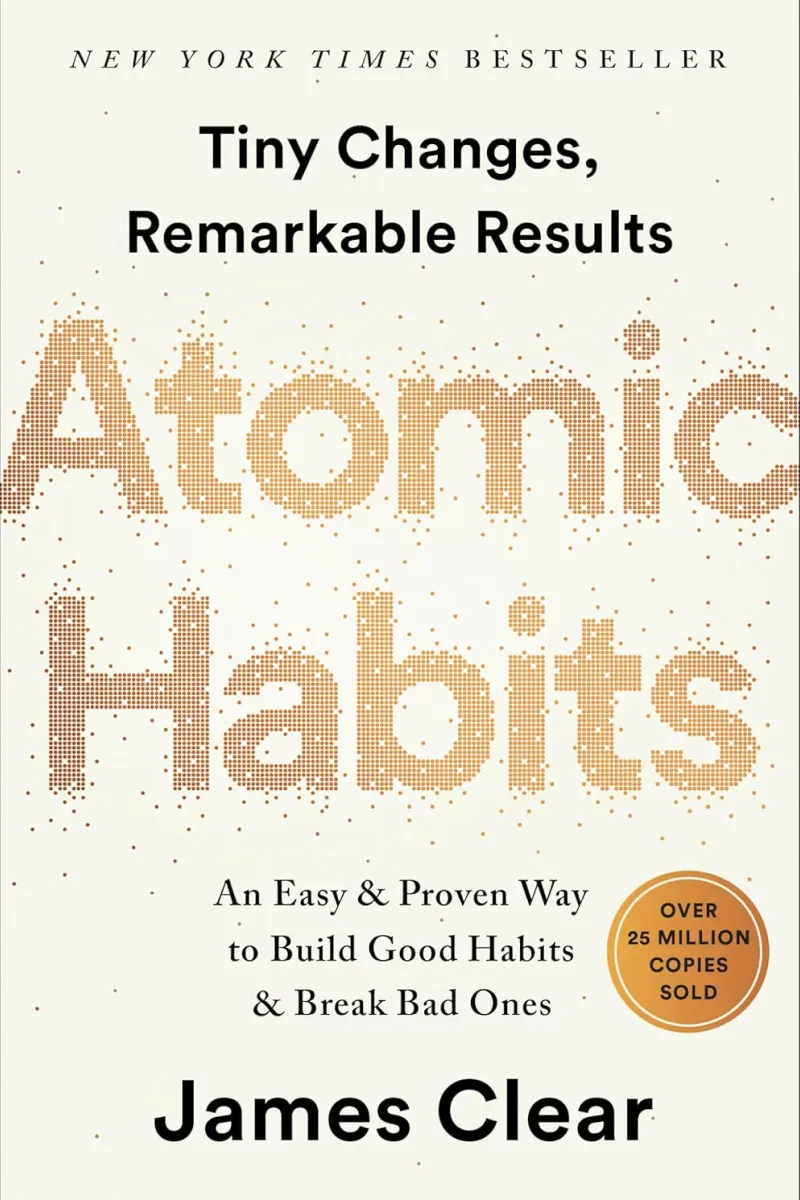
This section contains affiliate links.
Go Deeper
You've been thinking about this long enough.
Ten seconds. Your voice. That's all it takes.
Inner Dispatch turns a single daily recording into something you can actually see - a living reflection of where you've been.
Start free. No writing required. →Related articles

How to Build a Daily Habit That Actually Sticks
A science-backed guide to building daily habits that last — covering the psychology of habit formation, why most habits fail, and the specific techniques that actually work.

Daily Mental Wellness Practices: An Evidence-Based Guide
The complete guide to daily mental wellness practices—evidence-based habits for emotional regulation, self-awareness, and resilience that fit into real life.
The Best Daily Check-In Methods for Mental Health
Discover the best daily mental health check-in methods that actually work. Compare 7 proven techniques to find the right fit for your life and schedule.