
The Smallest Habit I've Ever Built (And Why It Stuck)
I'd tried to build ambitious habits and failed. Then I tried the smallest possible version — so small it felt embarrassing. That one stuck. Here's what I learned about why.
I'd tried to build ambitious habits and failed. Then I tried the smallest possible version — so small it felt embarrassing. That one stuck. Here's what I learned about why.
I used to think consistency was the whole game. Then I kept failing at it. The shift that actually made my habits last had nothing to do with discipline — and everything to do with how I treated the gaps.

A 30-day habit challenge can build a real habit or collapse after week one. Here's the template that works — with the setup, structure, and recovery protocols that make it stick.
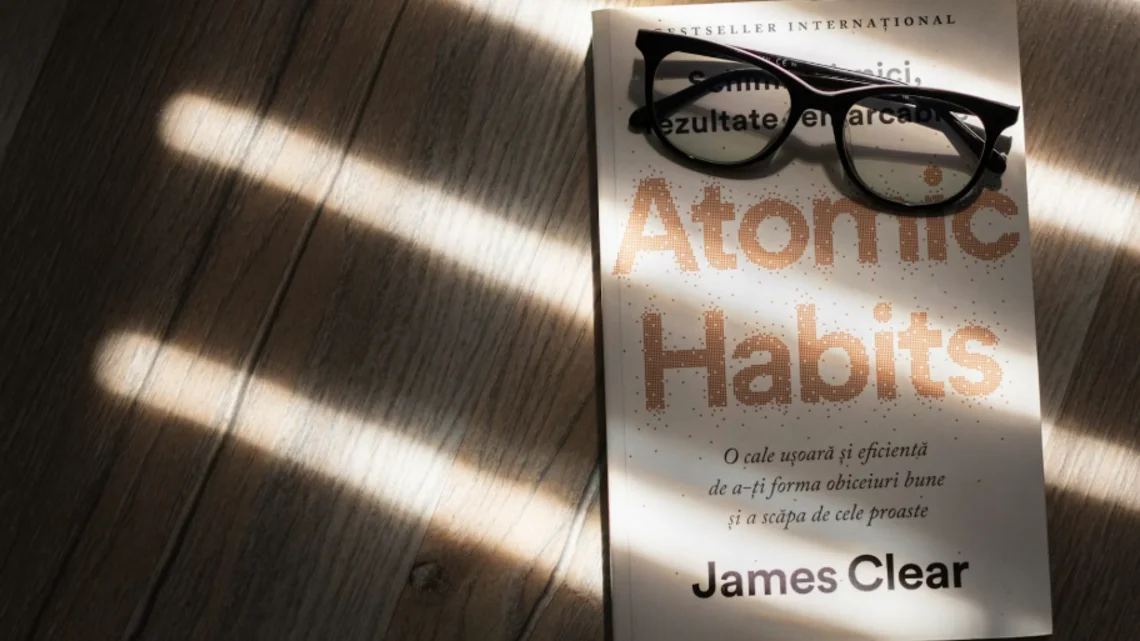
James Clear's Atomic Habits changed how millions of people think about behavior change. Here are the core ideas — and how to actually apply them to your daily life.

What you do in the hour before bed shapes how well you sleep and how well the next day begins. Here's what actually works — and why.

Habit stacking is one of the most research-supported techniques for building new behaviors. Here's how it works, why it works, and how to design stacks that actually hold.

There are dozens of habit tracking apps. Most add more complexity than they remove. Here's an honest comparison of what works, what doesn't, and how to choose.

Habits don't start with motivation — they start with triggers. Here's how to identify, design, and use cues to make new behaviors happen reliably.

Mental health isn't just the absence of crisis. Here are the daily habits with solid evidence behind them — and how to build them when you're not feeling your best.
The 21-day rule is a myth. Here's what the research actually shows about how long habit formation takes — and what that means for building practices that stick.

Learn how to break a bad habit for good using behavioral science—what actually works, why willpower alone fails, and the specific strategies that produce lasting change.
A science-backed guide to building daily habits that last — covering the psychology of habit formation, why most habits fail, and the specific techniques that actually work.
Willpower runs out. Learn the psychology-based approach to building consistency that works even when motivation is low — using environment, identity, and systems.
Most advice says focus on one habit at a time. Here's a more honest look at when that's right, when it's not, and how to manage multiple habits when you need to.

Breaking a habit doesn't mean starting over. Here's how to restart any habit effectively — without the shame spiral that usually makes the gap permanent.

Travel disrupts habits more reliably than almost anything else. Here's a practical approach to protecting the practices that matter when your routine is gone.
The goal of habit formation isn't doing something every day — it's making it happen without thinking. Here's how to actually reach automaticity, faster.
The gap is behind you. Here's how to restart a habit you've abandoned — without the guilt, the dramatic re-commitment, or the same mistakes that ended it the first time.
Paper, notebooks, simple marks — low-tech habit tracking often works better than apps. Here's how to build a system that actually sticks.
Most habits focus on outcomes. Identity-based habits focus on who you're becoming. Here's why the distinction matters and how to use it in practice.
Discover what keystone habits are and why changing just one behavior can trigger a cascade of positive change across your entire life.
Micro habits are the smallest possible version of a behavior — and research shows they work better than ambitious commitments. The science, the design steps, and real examples.

A 5 minute morning routine you'll actually keep. Practical ideas backed by habit science — no hour-long rituals, no willpower required.
Accountability partners, public commitments, community — these work, sometimes. Here's an honest look at when social accountability helps habits and when it quietly undermines them.
Apps, paper journals, streak calendars — which habit tracking method actually works best? An honest comparison to help you find the right fit for how you think.
The cue-routine-reward loop explains how habits form and why they're so hard to break. A deep look at the framework, the neuroscience behind it, and how to actually use it to build and change habits.
Willpower gets the credit, but environment does most of the work. Here's how your surroundings shape your habits — and how to design them intentionally.
What does behavioral science actually say about how habits form? The real research on habit loops, timelines, context, and why most habits fail — and how to fix them.

The two-minute rule is one of the most practical techniques in habit formation. Here's what it actually is, why it works, and how to use it without watering down the habits you want.

Motivation always disappears eventually. The habits that survive aren't the ones built on motivation — they're the ones built for when it's gone. Here's how.

The two-week drop-off isn't a willpower problem — it's a predictable pattern with specific causes. Here's what's actually happening when habits collapse, and how to get past it.
Streaks are one of the most popular habit tools — and one of the most misused. Here's an honest look at what they actually do, when they help, and when they get in the way.