
30-Day Habit Challenge: A Simple Template That Works
The 30-day habit challenge is one of the most popular self-improvement formats on the internet, and one of the most commonly abandoned. A quick search will return thousands of challenge templates, each promising that thirty consecutive days of a specific behavior will transform it into a permanent habit. Most people who try one don’t make it to day thirty. Of those who do, many abandon the habit shortly after.
This isn’t because 30-day challenges are a bad idea. It’s because most challenge templates are designed for the excitement of starting rather than the reality of continuing — and those are different design problems.
This guide builds a 30-day habit challenge template from the ground up, using what behavioral science actually knows about habit formation, designed specifically to handle the parts that most templates skip: what to do when you miss days, how to structure the challenge so it survives disruption, how to transition the challenge habit into something that continues after day thirty, and why most 30-day challenges fail in the ways they do.
The template is simple. The thinking behind it isn’t.
Why 30-Day Challenges Fail (And What to Fix)
Before the template, the failure modes — because knowing what breaks challenges is how you design one that doesn’t break.
The Excitement Problem
Most people start a 30-day challenge on a high. The first day is energizing: you’re beginning something, you’ve made a decision, there’s momentum. Days two and three carry some of that energy. By day seven, the excitement has settled and what remains is the daily requirement — without the emotional fuel that started it.
Challenges designed around the excitement of starting don’t account for this arc. They front-load the motivation and assume it will persist. It doesn’t. The design question that most templates never ask is: what does this challenge feel like on day fourteen, when the novelty is gone and nothing dramatic has happened yet? If the answer is “difficult and unmotivating,” the challenge will fail on or around day fourteen for most people who attempt it.
The Streak Problem
Many 30-day challenge formats are built around streaks: don’t break the chain, check every box, maintain your consecutive days. Streak formats provide excellent motivation while the streak is intact. They create a catastrophic failure mode the moment it breaks.
One missed day in a 30-day streak — day twelve, say — doesn’t meaningfully affect whether the habit will form. The behavioral science on habit formation doesn’t support the idea that a single gap destroys the habit pathway being built. But the psychological experience of a broken streak often produces exactly that outcome: people who miss a day in a streak-format challenge frequently don’t restart, because the chain is broken and starting over feels worse than stopping.
The Transition Problem
The most significant gap in most 30-day challenge templates is the day after: what happens on day thirty-one? A challenge that ends cleanly without a built-in transition plan is a challenge that frequently ends permanently. The structure that supported the behavior — the daily tracking, the specific challenge framing, the accountability of an ongoing commitment — disappears. Without an explicit plan for what the habit looks like after the challenge, many people find it quietly drops away.
The Wrong Habit Problem
Thirty days is long enough to establish a simple, specific, low-resistance behavior as habitual. It’s not long enough to build a complex behavior, develop genuine skill in a domain, or transform deeply ingrained patterns. Many 30-day challenges fail because the habit selected is too complex or too demanding for what a 30-day window can realistically accomplish.
The Template: Before You Start
Step 1: Choose One Habit
The single most common setup mistake is choosing more than one habit for the challenge. Multiple simultaneous habits feel efficient — you’re working on your sleep and your exercise and your journaling all at once — but the behavioral evidence is clear: habit formation benefits from focused attention on one behavior at a time, particularly in the early stages when willpower and cognitive resources are most taxed.
Choose one habit for this challenge. If you have several habits you want to build, prioritize ruthlessly. You can run another challenge for the next habit after this one is established.
Criteria for a good 30-day habit challenge habit:
It’s specific enough to have a clear completion criterion. “Exercise more” is not a 30-day challenge habit. “Do ten minutes of movement every day” is. The completion criterion is binary: you did it or you didn’t. Vague habits can’t be tracked, and untracked habits don’t form the consistent reward loop that builds automaticity.
It’s small enough to complete on your worst day. Your challenge design should be calibrated to the day you’re sick, the day work explodes, the day everything is harder than expected. If the habit requires thirty minutes of dedicated effort, it will not happen on those days. A habit that requires five to ten minutes can. The minimum viable version of the habit is your design target — you can always do more on good days, but you need to be able to always do the minimum.
It connects to an existing anchor. The habit needs a trigger — a specific preceding behavior that reliably cues it. “After I pour my morning coffee” is an anchor. “In the morning” is not. Anchors make habits automatic because they remove the decision of when to do the habit. The anchor should be something that already happens reliably, every day, including weekends and disrupted days.
Step 2: Define Your Minimum Viable Habit
Before day one, write down the minimum version of the habit that counts as a completion. Not the ideal version — the minimum.
For a meditation habit: two minutes of conscious breath focus counts. Not twenty minutes of deep concentration. Two minutes.
For a journaling habit: three sentences counts. Not a page of structured reflection. Three sentences.
For a reading habit: two pages counts. Not a chapter.
This minimum should be achievable on your hardest days. The challenge’s consistency depends on this, because the hardest days are when streaks break and challenges die. A minimum that survives hard days protects the habit; a minimum calibrated to good days fails when good days end.
Write this minimum down and commit to it before starting. The minimum is not the goal — it’s the floor. On most days you’ll do more. The minimum only applies when the floor is all that’s available.
Step 3: Build Your Recovery Protocol
Before day one, also write down your recovery protocol for missed days. This sounds premature — you haven’t even started yet. It’s the most important pre-challenge step.
The recovery protocol removes decision-making from the disrupted moment. When you miss day twelve, you’re not negotiating with yourself about whether to continue the challenge — you’ve already decided. The protocol answers the question in advance.
A simple recovery protocol: “If I miss a day, I will complete the minimum version of the habit the following day. I will not try to make up the missed day. One missed day is a gap; two consecutive missed days is the beginning of a problem. Three consecutive missed days means I need to evaluate whether the habit design is wrong.”
Write this protocol and put it somewhere visible. Having it decided prevents the post-miss spiral where missing one day becomes missing several.
Step 4: Choose Your Tracking Method
Choose a simple tracking method that fits your daily environment. A paper grid on your desk, a dedicated app, a simple calendar mark — any of these works. The criterion is that you can mark completion within thirty seconds of completing the habit, without opening multiple apps or searching for a notebook.
Don’t use a tracking method you’ve abandoned before without understanding why you abandoned it. The same tracking method that failed you in a previous attempt will likely fail again. Pick the format that fits how you actually live.
The Template: During the Challenge
Weeks 1-2: Building the Trigger
The first two weeks of a 30-day habit challenge have one primary objective: making the anchor-to-habit connection automatic. You’re not trying to become proficient at the habit, enjoy it deeply, or see dramatic results. You’re trying to make “I did the anchor behavior” reliably produce “I now do the habit.”
What to expect: Week one typically feels energized and achievable — the novelty carries you. Week two is where most challenges first encounter resistance. The novelty has worn off, results aren’t yet visible, and the motivation that launched the challenge has settled. This is when the anchor becomes critical: you’re no longer doing the habit because you feel motivated, you’re doing it because the anchor fired and the habit fires after the anchor. That’s the goal.
The daily rhythm: Complete the habit, mark the tracker, move on. Don’t add additional layers of reflection or review during this phase. The first two weeks are about building the trigger, not deepening the practice.
If you miss a day in weeks 1-2: Follow your recovery protocol. Mark the missed day as a gap — not a failure — and complete the minimum the following day. Do not try to extend the challenge by a day to compensate. Do not spend significant time analyzing the miss. Return to the practice.
Weeks 3-4: Stabilizing the Pattern
By week three, if the anchor has been firing reliably, the habit should be starting to feel less like a decision and more like an expected next step after the anchor. This is the beginning of automaticity — the neural pathway for the habit is becoming more established, and the cognitive cost of completing the habit is starting to decrease.
What to expect: Some days will still feel effortful; others will feel surprisingly easy. The variance is normal and shouldn’t be taken as evidence that the habit is or isn’t working. Automaticity builds unevenly — there will be good days and difficult days in both directions.
Adding depth: In weeks three and four, if the habit is tracking consistently, you can begin to increase the challenge slightly. Not dramatically — the foundation is consistency, and a sudden increase in difficulty can break a practice that’s been working. Add one to two minutes, add one element, add one repetition. Small increases that stay well within the minimum-viable threshold you established.
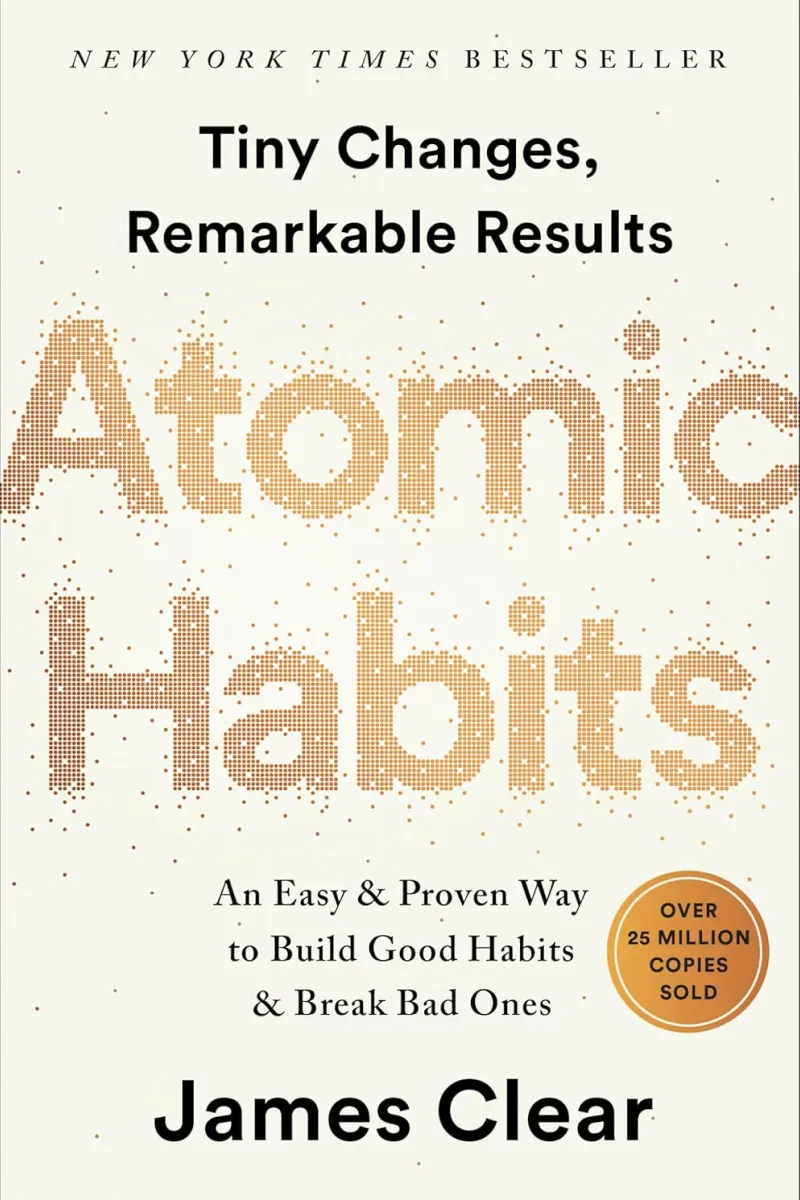
The identity shift: Research by James Clear and others on habit formation suggests that lasting habits are often accompanied by a shift in self-concept — from “I’m trying to exercise” to “I’m a person who exercises.” Weeks three and four, if the practice has been consistent, are often when this shift begins. You can notice and name it: “I’m becoming someone who does this.” The self-concept shift is not the cause of habit formation, but it correlates with its durability.
If You Miss Several Days: The Restart Protocol
If you miss three or more consecutive days — enough to suggest the challenge has effectively paused — the recovery protocol needs to address whether to restart from day one or continue from where you left off.
The honest answer: it doesn’t matter. The goal of the challenge is habit formation, not completing a streak. If you missed days twelve through fifteen and you’re returning on day sixteen, you’re not starting a new challenge — you’re continuing the existing one with a gap in it. Mark the gap clearly in your tracker and continue.
If you’ve missed more than a week, a brief evaluation is useful before continuing: what caused the extended gap? Was it external (an unusual disruption to routine) or structural (the habit design doesn’t fit your life)? External disruptions justify continuation; structural problems justify redesigning the habit before continuing.
The Template: After Day Thirty
Day thirty is not the end of habit formation — it’s approximately the midpoint of the minimum period research suggests is required for behavioral automaticity. The challenge structure has served its purpose if it’s gotten you to day thirty with reasonable consistency. Now the question is what the habit looks like without the challenge scaffolding.
Step 1: Evaluate, Don’t Celebrate and Stop
On day thirty, resist the impulse to treat the completion of the challenge as the conclusion of the project. The challenge is a scaffold, not the building. Evaluate honestly: has the habit become automatic? Does doing the anchor behavior reliably produce the habit behavior, without significant decision-making or motivation? Or does it still feel effortful and requiring of deliberate will?
If the habit feels automatic: the challenge scaffolding has done its job. You can remove the explicit tracking, the challenge framing, and the 30-day structure and see if the habit sustains independently. It likely will.
If the habit still feels effortful: the 30-day challenge is not complete in the sense that matters. This doesn’t mean you’ve failed — it means you need more time. Run another 30-day period, or simply continue with the same structure for another two to four weeks before removing the scaffolding.
Step 2: Decide What “Done” Looks Like
Before removing the challenge structure, decide explicitly what the maintenance habit looks like. This is the transition plan that most challenge templates skip:
How often? If the habit was daily during the challenge, does it stay daily, or does it shift to five to six times per week?
What’s the minimum? Keep the minimum viable version defined, even in maintenance. Life will continue to produce disrupted days.
What’s the anchor? Keep the same anchor if it worked. Changing the trigger risks losing the automaticity that was built.
How will you track? Some habits benefit from continued simple tracking even after the challenge is over; others can sustain without it. The criterion is whether the tracking adds motivation or creates friction. If it’s primarily friction, drop it.
Step 3: Plan the Next Habit
Now — after one habit is established, not before — is the right time to start thinking about the next one. Run a new 30-day challenge for the second habit. Don’t run both simultaneously.
The sequencing of habits — establishing them one at a time, building on a foundation of previously established behaviors — is significantly more effective than attempting multiple simultaneous challenges. Each established habit becomes available as a potential anchor for the next one.
The 30-Day Habit Challenge Template: Summary
Before Day 1:
- Choose one specific, small, clearly measurable habit
- Define the minimum viable version (achievable on your worst day)
- Identify your anchor (the specific existing behavior that will trigger the habit)
- Choose your tracking method
- Write your recovery protocol for missed days
Days 1-14: Build the trigger
- Focus entirely on anchor → habit consistency
- Minimum viable version counts
- Follow recovery protocol when days are missed
Days 15-30: Stabilize the pattern
- Small increases in depth or duration (optional)
- Notice the beginning of automaticity
- Maintain tracking
Day 30:
- Evaluate automaticity honestly
- If automatic: transition to maintenance without scaffolding
- If still effortful: continue for another 2-4 weeks
- Write out the maintenance plan explicitly
After Day 30:
- Keep the anchor, define the maintenance minimum
- Track only if tracking still motivates rather than burdens
- Plan the next habit challenge (but don’t start it yet)
Frequently Asked Questions About 30-Day Habit Challenges
Does a 30-day habit challenge actually work?
Yes, for specific habits and under specific conditions. The research on habit formation — including Phillippa Lally’s oft-cited study finding an average of 66 days to automaticity — suggests that 30 days is a meaningful portion of the habit formation period but not typically sufficient for full automaticity. What a 30-day challenge does accomplish is building a consistent behavioral pattern, establishing the anchor-habit trigger, and creating the kind of repeated pairing that habit formation requires. For simple, low-resistance habits, 30 days is often enough for genuine automaticity. For more complex habits, 30 days is a good foundation that needs a continuation plan.
What happens if I miss a day in my 30-day challenge?
Follow your pre-established recovery protocol: return the next day with the minimum viable version of the habit. Don’t try to make up the missed day by doubling up. Don’t treat the miss as evidence that the challenge has failed. One missed day has minimal impact on habit formation; the response to a missed day has significant impact. People who return the next day maintain their habits; people who extend the gap do not. If the recovery protocol was established before the challenge, use it exactly as you wrote it.
Should I choose an easy or challenging habit for my first 30-day challenge?
Choose an easy one. Not trivially easy — something with genuine value that you haven’t yet been able to make consistent — but erring on the side of easier rather than harder. The goal of the challenge is habit formation, and habit formation benefits from low friction, low resistance, and high consistency. A challenging habit with a 60% daily completion rate will not form as reliably as an easy habit with a 90% daily completion rate. Once you’ve built the habit infrastructure — the anchor, the trigger, the tracking discipline — and established that a 30-day challenge is something you can complete, you can take on increasingly demanding habits.
Can I do two habits at the same time in a 30-day challenge?
The research and practitioner consensus both suggest not, at least for new habits that don’t yet have established triggers. Habit formation taxes working memory and willpower resources that are finite. Two simultaneous new habits compete for those resources, increasing the probability that both fail rather than ensuring both succeed. The exception is habits that are genuinely small enough to feel effortless — habits like drinking one extra glass of water per day or adding thirty seconds to an existing practice — where the resource cost is minimal. For any habit that requires deliberate attention and effort, one at a time is the more reliable approach.
What if I reach day 30 but the habit doesn’t feel automatic?
Continue. The 30-day format is a scaffolding convention, not a behavioral law. If the habit still requires significant willpower to complete after thirty days, the habit pathway is still in formation. This doesn’t mean the challenge has failed — it means the habit is more complex or more novel than typical easy habits, and it needs more time. Run another 30-day period with the same structure, or simply continue with the tracking and anchor indefinitely until automaticity arrives. The research average of 66 days for habit formation means that many habits require significantly longer, depending on the habit and the individual.
How do I stay motivated through the middle of a 30-day challenge?
The honest answer is that you shouldn’t rely on motivation to carry you through the middle of a 30-day challenge. Motivation is highest at the beginning and often lowest in the middle — that’s the nature of motivation’s arc. The design of the challenge should make motivation irrelevant by the middle: the anchor fires, the habit fires after the anchor, the minimum is achievable even without motivation, and the tracking records the completion. The challenge structure is specifically meant to work without sustained high motivation. If you find yourself relying on motivation boosts — challenge partners, inspirational content, restart rituals — that reliance may indicate that the challenge design doesn’t yet make the habit sufficiently automatic. Review whether the anchor is strong enough and whether the minimum is low enough.
The Bottom Line
A 30-day habit challenge works when it’s designed for the reality of thirty days rather than the excitement of starting one.
The template in this guide is built around three principles: the habit must be specific and small enough to survive your worst day; the anchor must be reliable enough to fire without motivation; and the recovery protocol must be decided before the disruption happens, not after.
Thirty days built on these principles produces something more durable than a completed challenge: it produces the beginning of a habit that doesn’t need a challenge to continue.
Start with one habit. Keep it small. Keep the anchor strong. Come back the day after you miss.
This section contains affiliate links.
Go Deeper
You've been thinking about this long enough.
Ten seconds. Your voice. That's all it takes.
Inner Dispatch turns a single daily recording into something you can actually see - a living reflection of where you've been.
Start free. No writing required. →Related articles

The Best Habit Tracking Methods (Apps, Journals, Streaks)
Apps, paper journals, streak calendars — which habit tracking method actually works best? An honest comparison to help you find the right fit for how you think.
How to Build a Journaling Streak You Won't Break
A journaling streak sounds motivating until the first missed day. Here's how to build one that actually lasts — using habit science, not willpower.

How to Make Voice Journaling a Daily Habit That Sticks
Learn how to build a voice journaling habit that actually lasts. Practical strategies rooted in habit science to make daily reflection feel automatic.